Theker Closes $85M Series A for Swappable-Part Factory Robots
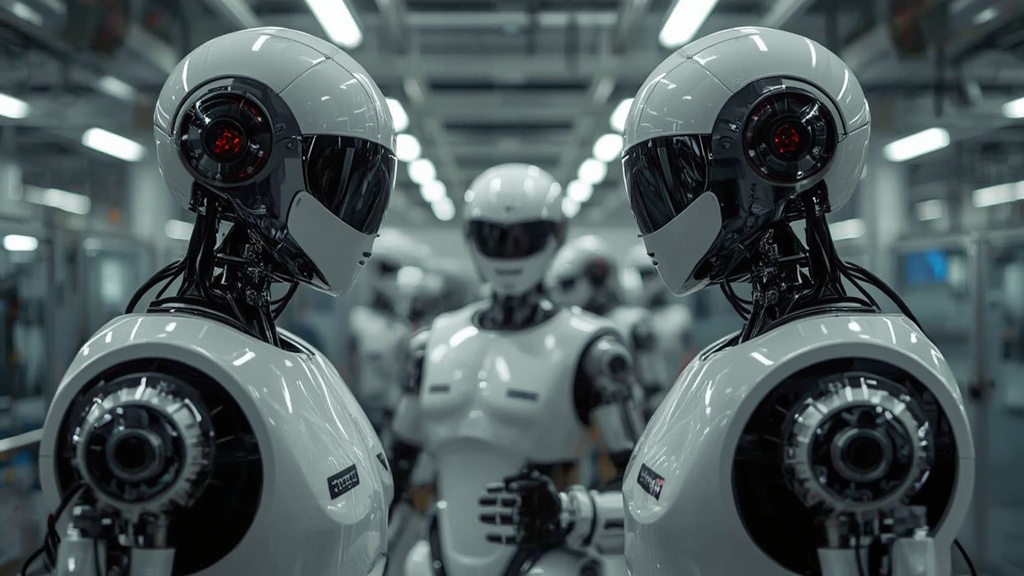
Theker, a Barcelona-based robotics startup, raised $85 million in a Series A round. The round was led by CRV, an American venture capital firm, and included Samsung and Aglaé Ventures, Bernard Arnault's investment vehicle. Inditex, the parent company of Zara, was an early backer. The amount raised was roughly twice Theker's original target of $30 to $40 million.
What Theker Builds
The pitch is a generalist robot rather than a dedicated single-task machine. Theker robots have swappable hands, arms, and form factors, allowing the same base unit to sort packages, pack clothing, or handle bottles and cans. The company calls this reconfigurability the core product, not a feature.
The logic is straightforward: specialized robots require re-buying hardware every time a task changes. Reconfigurable platforms spread that cost across use cases. Whether real-world factory floors cooperate with this theory remains to be demonstrated at scale.
Who's Backing It and Why That's Interesting
The investor mix is notable. Samsung is a hardware manufacturer with supply chain exposure to exactly the kind of automation Theker targets. Inditex runs one of the world's largest fast-fashion logistics operations. These are not pure financial bets. Both investors have operational reasons to want this technology to work.
Aglaé Ventures adds LVMH-adjacent access to luxury goods manufacturing, which handles more complex material types than typical warehouse automation. That's a harder problem, and possibly a future market for Theker.
Plans
Theker currently operates a showroom in central Barcelona and plans additional showrooms as it expands into Europe, the US, and Asia. Headcount is expected to reach up to 120 people by end of 2026. The company plans to move beyond retail into heavier industrial manufacturing settings, though no timeline is given for that shift.
Context
The $85 million is described as Europe's largest ever Series A for robotics. European robotics funding has historically lagged US and Asian competitors, so this round signals either genuine momentum or a single outlier. The fact that a US firm led the round suggests the capital came from where it was available, not necessarily where confidence in European robotics is highest.
The reconfigurable robot concept has been attempted before. What's different this time, if anything, will show up in deployment numbers rather than fundraising announcements.
Source: Techcrunch